
Cat Urinary Blockage Symptoms: Warning Signs & Emergency Help
Cat Urinary Blockage Symptoms: Warning Signs & Emergency Help
A cat who keeps returning to the litter box, straining with little success, or crying out while trying to urinate may be experiencing a urinary blockage. We see how quickly these situations escalate at Northway Animal Emergency Clinic, and we know how frightening those moments feel. Cat urinary blockage symptoms often start subtly, which makes them easy to miss until the problem becomes severe. A blockage prevents urine from leaving the body, causing toxins to build up in the bloodstream. Pressure also rises inside the bladder, which can damage the urinary tract and other organs. This condition can turn life-threatening within hours, which makes early recognition and immediate veterinary care essential.
What Is a Urinary Blockage in Cats?
A urinary blockage occurs when something obstructs the urethra, the narrow tube that carries urine from the bladder out of the body. In cats, this blockage often involves inflammatory debris, crystals, mucus, or small stones that combine to form a plug. Male cats face higher risk because their urethras are longer and narrower, making obstruction easier. When urine cannot pass, the bladder becomes painfully distended and toxins that the body should eliminate start circulating instead. Electrolyte imbalances can develop rapidly, affecting heart rhythm and organ function. We treat this as an emergency because the body cannot compensate for long once urine flow stops.
This condition often relates to feline lower urinary tract disease (FLUTD), a broad term describing bladder and urethral disorders. Stress, diet, weight, hydration levels, and underlying inflammation all contribute to urinary tract problems. Cats rarely show obvious signs of illness until discomfort becomes significant, so subtle changes matter. A cat may still attempt to act normal between litter box visits, which sometimes delays care. Knowing how to spot early cat urinary blockage symptoms can save critical time. When in doubt, a call to our emergency team at (518) 761-2602 allows us to guide next steps right away.
Common Symptoms of Urinary Obstruction
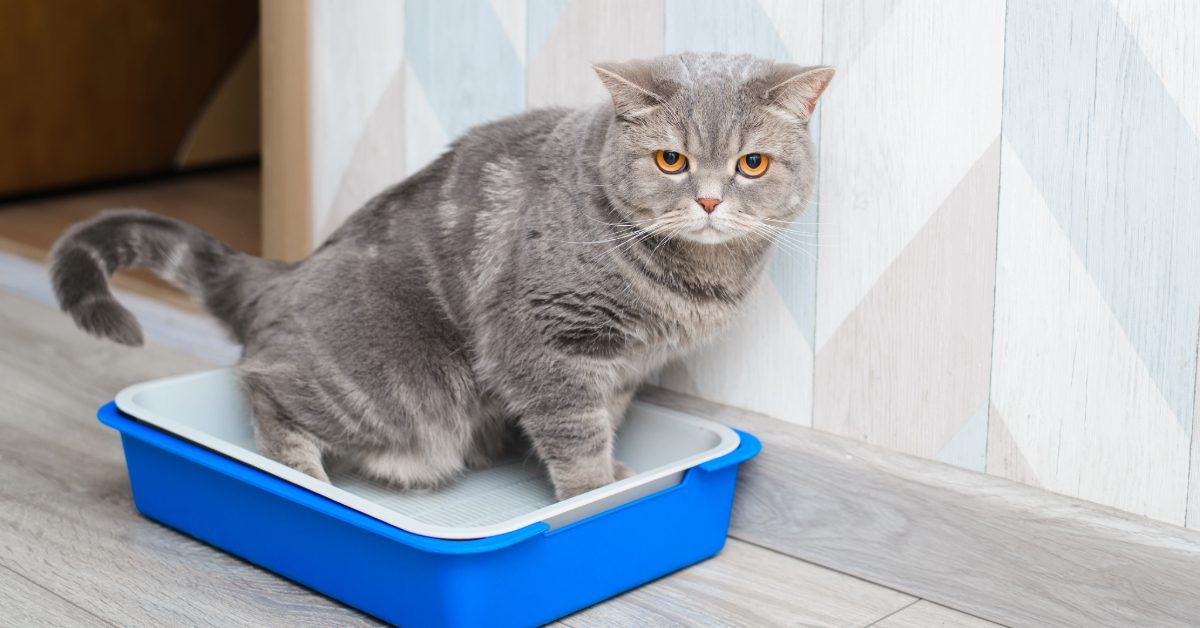
Cats with a blockage almost always show changes in urination behavior before more serious signs appear. Owners often describe frequent trips to the litter box with little or no urine produced. Some cats vocalize because urination becomes painful, while others hide or act unusually restless. You might also see licking around the genital area as the cat reacts to irritation. Appetite often drops as discomfort increases. These signs signal distress even if the cat still walks around the home.
Watch for these key cat urinary blockage symptoms:
- Straining in the litter box without producing urine
- Crying or yowling during urination attempts
- Frequent, unproductive trips to the litter box
- Blood in urine or small urine spots outside the box
- Lethargy, vomiting, or refusal to eat
- A firm, painful abdomen when touched
As toxins build, systemic illness develops. Vomiting, weakness, and collapse indicate the situation has progressed beyond urinary discomfort alone. Cats may become cold to the touch or breathe rapidly as their bodies struggle. These later signs mean immediate emergency care is necessary. We urge families not to wait overnight if they notice these changes. Calling us as soon as symptoms start gives us the best chance to stabilize your cat quickly.
Why This Condition Is a Medical Emergency
A blocked cat cannot remove waste products from the bloodstream, which causes rapid toxin buildup. Potassium levels can rise to dangerous levels, interfering with heart function and causing life-threatening arrhythmias. The bladder may overstretch, reducing its ability to function normally later. Pressure can also affect the kidneys, which work continuously to filter blood. Within a short period, cats can go from uncomfortable to critically ill. That rapid progression is why we stress emergency evaluation for any suspected urinary obstruction.
Pain plays a major role as well. The bladder continues filling even though urine cannot exit, which creates severe pressure and inflammation. Cats hide discomfort well, but this condition causes intense distress. Delaying care increases the chance of complications such as kidney damage or bladder rupture. Early treatment improves survival and recovery. When you notice possible cat urinary blockage symptoms, immediate veterinary attention matters more than monitoring at home.
Diagnosing and Treating Urinary Blockages
When a cat arrives with signs of obstruction, we move quickly. Our team performs a physical exam, focusing on the abdomen and bladder size. Diagnostic testing helps confirm the blockage and assess overall stability. Bloodwork evaluates kidney values and electrolyte levels, while imaging can reveal stones or other causes. These steps guide safe, effective treatment planning. Stabilization always comes first.
Emergency Stabilization
We start by addressing pain and correcting life-threatening imbalances. Intravenous fluids help flush toxins and support organ function. Medications manage discomfort and reduce stress, which also helps relax the urinary tract. Monitoring heart rhythm becomes important if electrolytes are abnormal. Stabilization prepares the body for the next critical step. Acting quickly reduces complications and improves recovery.
Relieving the Obstruction
Once stable, we carefully place a urinary catheter under sedation or anesthesia to relieve the blockage. The catheter allows urine to drain and helps flush debris from the urethra. Cats typically remain hospitalized with the catheter in place for monitoring. During this time, we track urine output and repeat blood tests. This period supports bladder recovery and prevents immediate re-obstruction. After removal, we continue observing urination closely.
Recovery and Monitoring
After discharge, cats often need dietary adjustments and environmental management to reduce recurrence risk. Stress reduction, increased water intake, and regular monitoring all contribute to long-term urinary health. Owners should watch litter box habits closely during recovery. Prompt reporting of any renewed straining helps us intervene early. Long-term management plans vary depending on the underlying cause.
Preventing Future Blockages in Male Cats
Male cats who have experienced one obstruction remain at higher risk for another. Prevention focuses on supporting urinary tract health and reducing triggers. Encouraging hydration plays a major role because diluted urine lowers crystal formation risk. Many families switch to moisture-rich diets to support bladder health. Providing multiple clean litter boxes in quiet areas reduces stress. Weight management also supports urinary function.
Helpful prevention strategies include:
- Feeding diets formulated for urinary health when recommended
- Increasing water intake with fountains or wet food
- Maintaining a calm, enriched home environment
- Keeping litter boxes clean and accessible
- Scheduling routine veterinary checkups
We also discuss environmental enrichment, since boredom and stress contribute to urinary inflammation. Cats benefit from predictable routines, vertical spaces, and interactive play. Subtle household changes can influence urinary health more than many expect. Monitoring litter box habits remains one of the most effective early warning tools. Any return of cat urinary blockage symptoms warrants immediate evaluation.
Acting Fast Protects Your Cat’s Life
Urinary blockage ranks among the most urgent feline emergencies we treat. Recognizing early cat urinary blockage symptoms allows families to act before complications escalate. Straining, frequent litter box visits, or vocalizing during urination always deserve attention. Waiting to see if signs improve can lead to rapid deterioration. Our emergency team stands ready to assess and stabilize affected cats at any time. If you suspect a blockage, call (518) 761-2602 right away so we can help protect your cat’s health and comfort.