Trauma and Injuries in Dogs: What Pet Owners Should Know
Trauma and Injuries in Dogs: What Pet Owners Should Know
Trauma and injuries in dogs can happen in seconds, often during ordinary moments that suddenly take a frightening turn. One minute your dog runs across the yard or greets you at the door, and the next you notice limping, bleeding, or unusual behavior that signals something is wrong. We see these situations every day at Northway Animal Emergency Clinic, and we know how overwhelming they feel for pet owners. Trauma refers to physical injury caused by an external force, such as a fall, collision, bite, or accident, and these events range from minor to life-threatening. Quick recognition and prompt action make a meaningful difference in your dog’s outcome. When you understand what to watch for and how to respond, you can act with greater confidence during stressful moments.
Common Causes of Trauma and Injuries in Dogs
Dogs stay curious, active, and fast-moving, which puts them at risk for unexpected injury. Even well-trained pets can react to sudden noises, wildlife, or unfamiliar environments, leading to accidents that happen without warning. We often treat dogs injured during everyday activities that seemed safe at the time. Knowing the most frequent causes of trauma and injuries in dogs helps you identify risks before something goes wrong. Many emergencies occur outdoors, but indoor hazards also lead to significant injuries. A mix of environmental awareness and supervision lowers the likelihood of serious harm.
Common sources of trauma include:
- Motor vehicle accidents involving off-leash dogs or pets that slipped past a door or fence
- Falls from stairs, furniture, decks, or vehicles
- Dog fights or bites from other animals
- Sports or play injuries, including strains, fractures, or ligament damage
- Cuts from sharp objects, broken glass, or debris
- Blunt force injuries from collisions with objects during high-speed play
Even smaller incidents can lead to hidden internal trauma, which is why any significant accident deserves attention. Dogs often mask pain, so an injury may be more serious than it appears at first glance.
Signs Your Dog May Be Seriously Injured
After an accident, dogs may not cry out or show dramatic signs, which makes careful observation essential. Subtle changes in posture, breathing, or behavior often provide the first clues that trauma and injuries in dogs require urgent care. We encourage pet owners to trust their instincts, especially when their dog just doesn’t seem right. Early signs can develop quickly into more severe symptoms if internal bleeding, organ damage, or shock occurs. Paying attention to small details gives your veterinary team valuable information.
Watch for these warning signs:
- Difficulty breathing, rapid breathing, or open-mouth breathing
- Pale, blue, or very dark gums
- Weakness, collapse, or inability to stand
- Persistent limping or refusal to bear weight
- Visible wounds, swelling, or deformities
- Disorientation, unresponsiveness, or unusual agitation
Behavioral Changes That Signal Pain
Dogs in pain may hide, growl when touched, or resist movement, even if they normally enjoy handling. Some pets become unusually quiet, while others pace or seem restless because they cannot get comfortable. You might notice shaking, whining, or guarding a particular area of the body. Changes in appetite, bathroom habits, or sleep patterns also occur after trauma. These behavioral shifts often point to discomfort that is not immediately visible. Any sudden change after an accident warrants a call to (518) 761-2602 for guidance.
What to Do in Case of an Emergency
When trauma occurs, your response in the first few minutes matters. Staying calm allows you to assess your dog more clearly and avoid actions that could worsen an injury. Your main goals are to prevent further harm, keep your dog as comfortable as possible, and reach emergency care quickly. Even if injuries appear minor, complications can develop hours later. Calling ahead lets our team prepare for your arrival.
In an emergency situation, you can:
- Move your dog away from danger, such as traffic or aggressive animals
- Use a towel or blanket to help lift and stabilize your pet if mobility is limited
- Apply gentle pressure with clean cloth to visible bleeding
- Keep your dog warm and quiet during transport
- Avoid offering food or water until a veterinarian evaluates your pet
Safe Transport Tips
Support your dog’s body during movement, especially the head, neck, and spine. A sturdy board, crate, or large box can help limit motion for dogs with suspected fractures or spinal injuries. Speak in a calm, reassuring tone to reduce stress. If your dog shows signs of pain when touched, minimize handling and focus on safe containment. Direct transport to emergency care gives your dog the best chance for prompt stabilization.
How Vets Diagnose and Treat Injuries
When your dog arrives for emergency care, we move quickly to assess vital functions such as breathing, heart rate, and circulation. Trauma and injuries in dogs often involve more than one body system, so a thorough evaluation is essential. We use physical exams, imaging, and laboratory tests to identify both visible and hidden damage. Stabilization comes first, followed by targeted treatment based on findings. Every case differs, and we tailor care to the specific needs of each patient.
Diagnostic and treatment steps may include:
- Oxygen therapy or fluid support to address shock
- Pain management to reduce stress and discomfort
- X-rays or ultrasound to evaluate internal structures
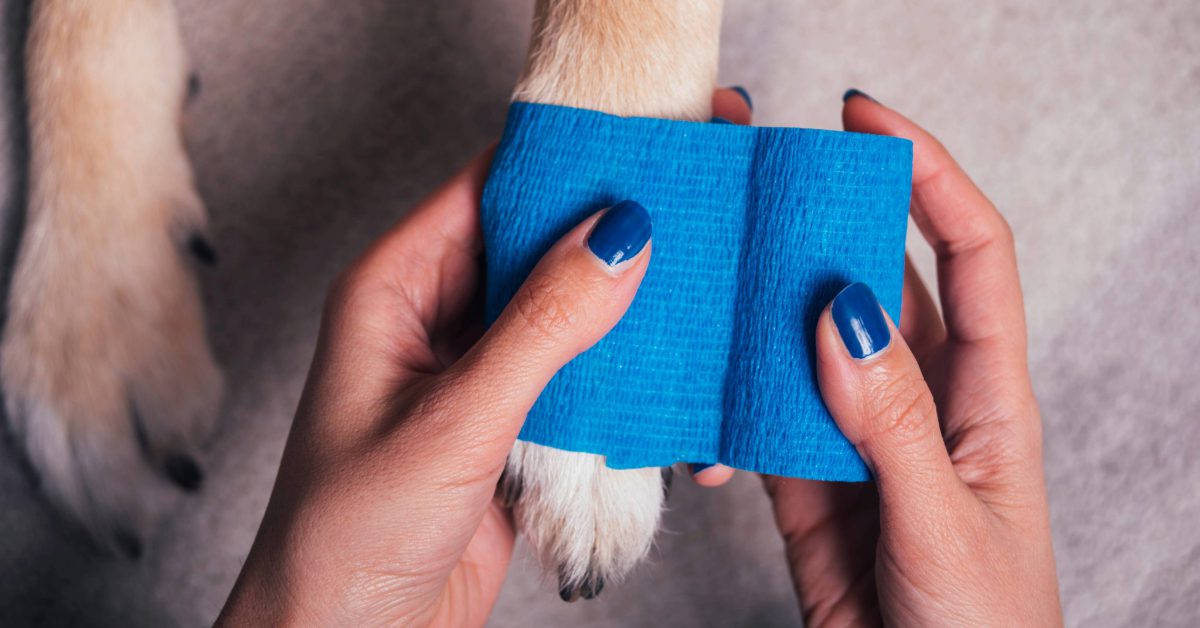
- Wound cleaning, bandaging, or surgical repair
- Monitoring for internal bleeding or organ injury
Why Ongoing Monitoring Matters
Some complications develop after the initial injury, even when a dog appears stable. Swelling, infection, or internal bleeding can evolve over time. Continued monitoring allows us to detect changes early and adjust care as needed. Follow-up visits also help ensure proper healing and recovery. Communication between you and your veterinary team plays a key role throughout this process.
Steps to Prevent Trauma and Accidents
While accidents cannot always be avoided, proactive safety measures reduce risk. We encourage pet owners to view prevention as an ongoing effort rather than a one-time task. Small adjustments in daily routines often lead to meaningful safety improvements. Awareness of your dog’s environment and behavior patterns helps you anticipate potential hazards. Preventive steps support long-term health and fewer emergency visits.
Consider these prevention strategies:
- Keep dogs leashed or securely fenced outdoors
- Use pet restraints or carriers during car travel
- Supervise interactions with unfamiliar animals
- Maintain clear walkways and secure loose rugs indoors
- Schedule routine veterinary visits to detect health issues that affect mobility
Training, enrichment, and safe exercise outlets also reduce impulsive behaviors that contribute to injury. When dogs receive appropriate physical and mental stimulation, they are less likely to engage in risky activities.
When Every Second Counts
Trauma and injuries in dogs create stressful, emotional moments, but informed action makes a difference. Recognizing early signs, minimizing movement, and seeking prompt care help protect your dog’s health. Our team stands ready to respond when emergencies happen, day or night. If your dog experiences an accident or sudden injury, call (518) 761-2602 right away. Quick communication allows us to prepare for your arrival and provide immediate attention. Being prepared today helps you respond with confidence when your dog needs you most.