
Cat Eye Injury: What You Need to Know & When to See a Vet
Cat Eye Injury: What You Need to Know & When to See a Vet
A cat eye injury can happen in seconds but change your cat’s comfort, vision, and health just as quickly. One moment your cat lounges in a sunny window, and the next you notice squinting, tearing, or a cloudy eye that was not there before. Eye trauma in cats often looks subtle at first, yet even small issues can become serious without prompt veterinary attention. As an emergency veterinary team, we regularly see cats with eye injuries caused by play, outdoor scuffles, or hidden household hazards. Because the eye is delicate, time matters more than many pet owners realize. Knowing how to recognize a cat eye injury and when to seek care can protect your cat’s sight and ease their pain.
Common Causes of Eye Injuries in Cats
Cats explore the world with curiosity, speed, and sharp reflexes, which sometimes puts their eyes at risk. A cat eye injury often occurs during normal feline behavior, including climbing, chasing, or defending territory. Outdoor cats face higher risk from branches, thorns, debris, and encounters with other animals. Indoor cats can still experience eye trauma from rough play with housemates, accidental contact with toys, or exposure to household irritants. Even dust, chemicals, or grooming products may irritate the eye surface and lead to inflammation or scratches. Because cats groom themselves frequently, they may also transfer irritants from their paws directly into their eyes.
Other frequent causes of feline eye trauma include:
- Scratches to the eye surface (corneal abrasions) from claws or debris
- Foreign objects such as grass seeds, sand, or small particles
- Blunt trauma from falls, collisions, or impact with furniture
- Bites or scratches during fights with other animals
- Chemical exposure from cleaning agents or sprays
Some cat eye injuries involve the surface of the eye, while others affect deeper structures. The underlying cause often determines how urgently a veterinarian needs to evaluate the problem. Eye injuries rarely improve on their own, which is why prompt assessment remains important.
Signs Your Cat May Have an Eye Injury
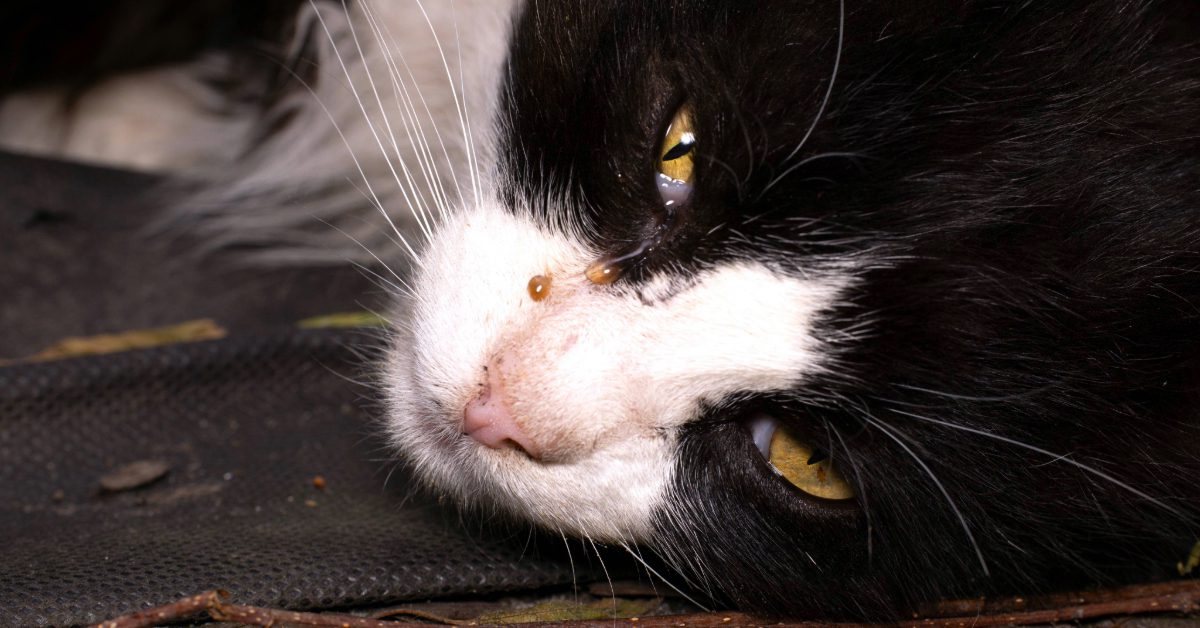
Cats often hide pain, so eye injuries sometimes go unnoticed until symptoms become obvious. A cat eye injury may first appear as mild squinting or increased blinking, which pet owners might mistake for sleepiness. Over time, redness, swelling, or discharge may develop, signaling irritation or infection. You may also notice your cat pawing at the face, rubbing against furniture, or avoiding bright light. Changes in the eye’s appearance, such as cloudiness or a visible scratch, also raise concern. Because vision issues can make cats feel vulnerable, behavioral changes sometimes accompany eye trauma.
Watch for these warning signs:
- Squinting or keeping one eye closed
- Excessive tearing or colored discharge
- Redness in the white part of the eye
- Swelling of the eyelids or around the eye
- Sensitivity to light
- Visible film, cloudiness, or spot on the eye surface
A cat eye injury can progress quickly from mild irritation to a painful, vision-threatening condition. If you notice any of these signs, contacting an emergency veterinary clinic for guidance can make a meaningful difference. Early evaluation helps determine the severity of the injury and next steps.
When Is a Cat Eye Injury an Emergency?
Some eye issues can wait for a regular appointment, but many require immediate care. As an emergency veterinary team, we consider certain signs of a cat eye injury urgent because they may signal deeper damage or risk to vision. Sudden swelling, bleeding, or a bulging eye indicates possible trauma behind the eye. A cloudy or blue-looking eye can reflect corneal damage or internal inflammation. Severe pain signs, such as constant squinting, vocalizing, or refusal to open the eye, also warrant fast attention. Rapid treatment may reduce long-term complications.
Urgent Red Flags
Seek emergency veterinary care right away if you see:
- Blood inside or around the eye
- A puncture wound or visible object stuck in the eye
- A suddenly enlarged or protruding eye
- A deep scratch or ulcer-like spot on the eye
- Sudden vision loss or bumping into objects
- Intense pain behaviors or lethargy
These symptoms may accompany serious conditions, including corneal ulcers, eye rupture, or internal injury. Because cats cannot tell us what they feel, visible changes guide our urgency. If you are unsure whether a cat eye injury qualifies as an emergency, calling a veterinary emergency clinic for direction is a safe step.
At-Home First Aid Before You Reach the Vet
While professional care remains the priority, there are a few safe steps you can take on the way to the clinic. A calm approach helps prevent further irritation or injury. Gently prevent your cat from rubbing the eye, which can worsen damage. If discharge collects around the eye, you may softly wipe it away using a clean, damp cloth. Keep your cat in a quiet, dim environment, as bright light may increase discomfort. Transport your cat in a secure carrier to limit movement.
What to Avoid
Certain actions can make a cat eye injury worse:
- Do not apply human eye drops or medications
- Do not attempt to remove objects stuck in the eye
- Do not rinse the eye with chemicals or home solutions
- Do not delay veterinary care while waiting to see improvement
These precautions protect delicate eye tissues from additional harm. Even well-intended home remedies can complicate diagnosis or treatment. The safest course involves professional evaluation as soon as possible.
How Vets Diagnose and Treat Cat Eye Trauma
When your cat arrives, our veterinary team performs a detailed eye exam to understand the nature of the injury. We assess the eye’s surface, internal structures, and surrounding tissues. Special stains may highlight scratches or ulcers on the cornea. We also check for foreign material, infection, and pressure changes inside the eye. A cat eye injury may require additional tests if trauma affects deeper structures or vision. Accurate diagnosis guides appropriate care.
Treatment depends on the type and severity of the injury. Minor surface issues may respond to prescribed eye medications that reduce inflammation and support healing. More complex injuries might involve pain control, protective measures, or procedures to address deeper damage. Severe trauma sometimes requires surgical care to preserve vision or comfort. Follow-up visits allow us to monitor healing and adjust treatment as needed.
Protecting Vision Long-Term
Prompt care offers the best chance for recovery. Delays can lead to complications such as infection, scarring, or permanent vision loss. Monitoring your cat closely after treatment supports successful healing. Our team provides guidance on medications, recheck timing, and signs that need immediate attention.
Quick Action for Better Outcomes
A cat eye injury can shift from minor irritation to a serious medical concern quickly. Paying attention to subtle changes, including squinting or discharge, helps you act early. Emergency evaluation allows veterinary professionals to assess the eye safely and start appropriate care. Protecting your cat’s vision often depends on fast response and professional treatment. If you suspect eye trauma, contact Northway Animal Emergency Clinic at (518) 761-2602 for guidance. Acting quickly can make a meaningful difference in your cat’s comfort and sight.