Dog Not Peeing? Here’s What It Could Mean
Dog Not Peeing? Here’s What It Could Mean
A dog not peeing can signal a simple, temporary issue, or a serious emergency that needs fast medical care. One evening, you let your dog outside like always, but nothing happens. Hours pass, and you start to wonder if you missed something earlier in the day. Changes in urination often feel subtle at first, yet they can point to discomfort, pain, or an internal problem that deserves attention. As an emergency veterinary team, we often meet worried pet owners who say, “My dog hasn’t peed all day—should I be concerned?” The answer depends on timing, behavior, and other symptoms, but difficulty urinating can become dangerous quickly. When you notice your dog not peeing normally, treat it as an important health change that needs attention.
Is It Normal for a Dog to Go Hours Without Peeing?
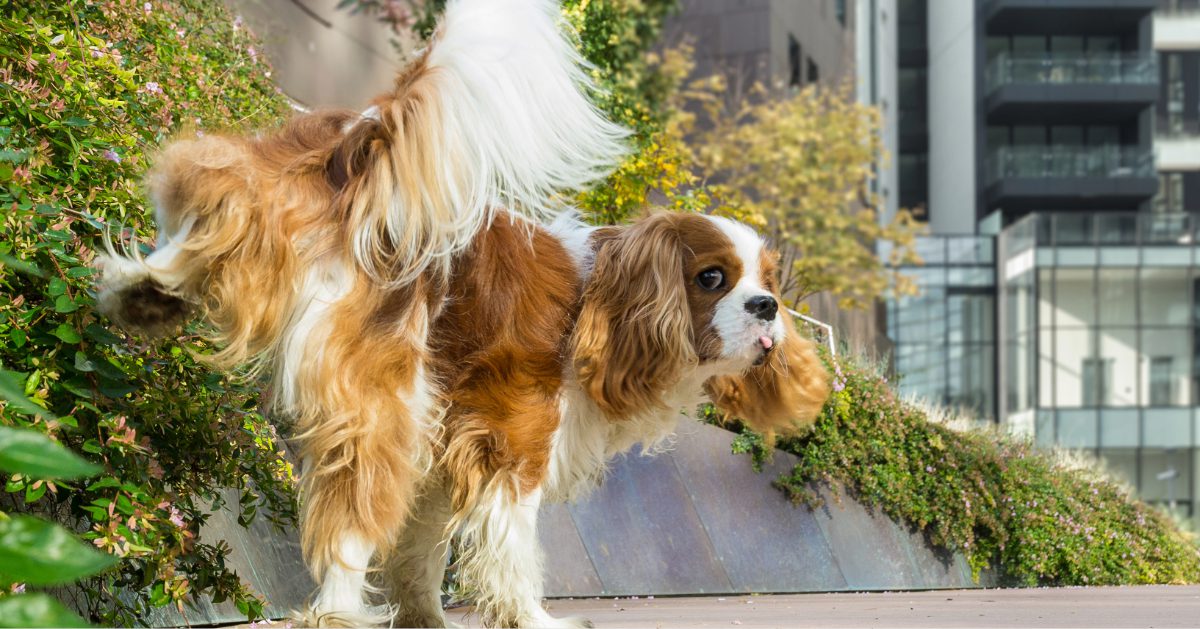
Dogs do not all follow the exact same bathroom schedule, so some variation can be normal. A healthy adult dog may urinate three to five times a day, depending on water intake, activity level, diet, age, and weather. Puppies and senior dogs often need more frequent breaks because their bladder control differs. After a long nap, overnight sleep, or a car ride, a dog might go several hours without urinating and still remain healthy. However, when a dog not peeing becomes an obvious pattern, especially during normal waking hours, it deserves closer observation. The key difference lies in whether your dog appears comfortable and behaves normally versus showing signs of strain or distress. A relaxed dog who finally urinates a normal stream may simply have a shifted routine, but a dog who repeatedly tries and produces little to no urine raises concern.
If you’re wondering how long can a dog safely hold their pee, the answer varies, but prolonged retention can stress the bladder and kidneys. Consistently holding urine too long increases the risk of urinary tract problems. When in doubt, track the time since your dog last urinated and note any behavior changes. That information helps our team at Northway Animal Emergency Clinic evaluate urgency.
Medical Reasons Your Dog Isn’t Urinating
When a dog is not peeing, we look for underlying medical causes rather than assuming behavioral reasons alone. Urinary issues can develop quickly, and some conditions become emergencies within hours. In many cases, the bladder fills but urine cannot pass normally. That situation creates pain and pressure and may damage internal organs if not addressed.
Common medical causes include:
- Urinary tract infection (UTI): Inflammation and discomfort can make urination difficult or painful.
- Bladder stones: Mineral stones can irritate the bladder lining or block urine flow.
- Urethral obstruction: A physical blockage in the urinary outflow tract prevents urine from leaving the body.
- Prostate enlargement (in male dogs): Pressure on the urethra may interfere with normal urination.
- Neurological problems: Nerve signals that control the bladder can malfunction.
- Dehydration: Low fluid levels reduce urine production and may signal a larger health issue.
A dog not peeing due to obstruction represents one of the most urgent scenarios we see. Toxins that the body normally removes in urine begin to build up in the bloodstream. Electrolyte imbalances may follow, affecting heart and muscle function. This progression explains why we encourage prompt evaluation instead of waiting to see if the issue resolves on its own.
Warning Signs of a Urinary Blockage
A urinary blockage can develop suddenly, and early signs may look subtle. Dogs often attempt to urinate repeatedly without success, which can be mistaken for constipation or restlessness. Recognizing the pattern early helps prevent severe complications.
Behavioral and Physical Clues
You may notice your dog squatting frequently with little or no urine produced. Some dogs cry, whine, or lick their genital area because they feel pressure or pain. Restlessness, pacing, or an inability to get comfortable often follows. The abdomen may appear tense or sensitive when touched. As discomfort increases, appetite may drop, and vomiting can occur. A dog not peeing while also showing lethargy or collapse needs immediate emergency care.
Additional red flags include:
- Dribbling small amounts of urine
- Bloody or dark-colored urine
- Strong odor from the urine
- Straining that resembles trying to defecate
- Sudden behavioral changes
These signs point to a potential obstruction or severe urinary issue rather than a simple schedule change.
What to Do If Your Dog Can’t Pee
When you suspect your dog cannot urinate, act promptly and stay calm. Your response time plays a major role in outcome. First, observe whether your dog is truly unable to produce urine or simply distracted outdoors. Offer a quiet, low-stress area for a bathroom break, away from noise or other animals. Ensure fresh water is available, since hydration supports normal urinary function. Avoid pressing on your dog’s abdomen or attempting to express the bladder, as this can cause injury.
Steps you can take right away include:
- Note the last time your dog urinated normally
- Watch for straining, discomfort, or repeated attempts
- Monitor appetite, energy level, and vomiting
- Check for visible blood in urine
- Call a veterinary professional if concerns persist
If several hours pass and your dog not peeing continues alongside discomfort, treat the situation as urgent. Contact an emergency clinic for guidance rather than waiting overnight. Our team at Northway Animal Emergency Clinic is available to assess time-sensitive concerns at (518) 761-2602.
How Vets Diagnose and Treat Urinary Retention
When a dog arrives for evaluation due to not urinating, we move quickly to determine the cause. A physical exam helps us assess bladder size, pain level, and overall stability. A very firm, enlarged bladder often signals retention. Diagnostic testing allows us to look deeper and choose the safest treatment path.
Diagnostic Tools We Use
We may recommend:
- Urinalysis to evaluate infection, crystals, and blood
- Bloodwork to assess kidney function and electrolyte balance
- Imaging such as X-rays or ultrasound to identify stones or obstructions
These tools help us understand why urinary retention developed and how urgently we must intervene.
Treatment Approaches
Treatment depends on the underlying cause and the dog’s condition. In obstruction cases, relieving the blockage becomes the top priority. A urinary catheter may allow urine to drain and reduce bladder pressure. Fluids support circulation and help correct imbalances. Pain control and medications address inflammation or infection when present. Some dogs need procedures or surgery to remove stones or correct structural issues.
Throughout care, we monitor urine output, kidney values, and overall comfort. Early treatment often leads to better outcomes and shorter recovery times. Delays increase the risk of complications that can affect long-term health.
When Waiting Is Not an Option
A dog not being able to pee can move from mild concern to emergency faster than many pet owners expect. The bladder and kidneys work as a system, and when urine cannot exit, the entire body feels the effects. Watching for patterns, acting early, and seeking veterinary evaluation protects your dog from preventable suffering. Trust your instincts if something feels off, even if signs seem mild at first. Our emergency team commonly evaluates urinary concerns and understands how stressful the situation can feel. Call (518) 761-2602 to speak with a veterinary professional if your dog has not urinated normally or shows signs of distress. Quick action today can make a significant difference in your dog’s comfort and recovery tomorrow.
A Small Symptom With Big Importance
Changes in urination often start quietly, yet they carry meaningful information about your dog’s internal health. When you notice a dog not peeing as usual, you identify an early warning sign that deserves attention. Observing details, tracking timing, and seeking care when needed form the best defense against serious complications. Urinary health connects closely to kidney function, comfort, and overall stability. Acting quickly protects those vital systems and reduces risk. Keep our number handy and reach out whenever urination changes concern you. Your awareness plays a key role in your dog’s well-being.