Heat Stroke in Dogs: Symptoms, Prevention & Emergency Care
Heat Stroke in Dogs: Symptoms, Prevention & Emergency Care
Heat stroke in dogs is a life-threatening emergency that happens when a dog’s body temperature rises faster than they can cool themselves down. It often begins on an ordinary warm day, such as a walk that lasts too long, a parked car that heats up quickly, or even vigorous play in the backyard. Dogs do not sweat like people do, so they rely on panting and limited sweat glands in their paws to release heat. When those cooling systems fail, internal organs can suffer damage within minutes. As an emergency veterinary team, we see how quickly heat-related illness can escalate from mild overheating to a critical situation. Understanding heat stroke in dogs helps pet owners act quickly, reduce risk, and recognize when immediate veterinary attention is needed.
What Is Heat Stroke in Dogs?
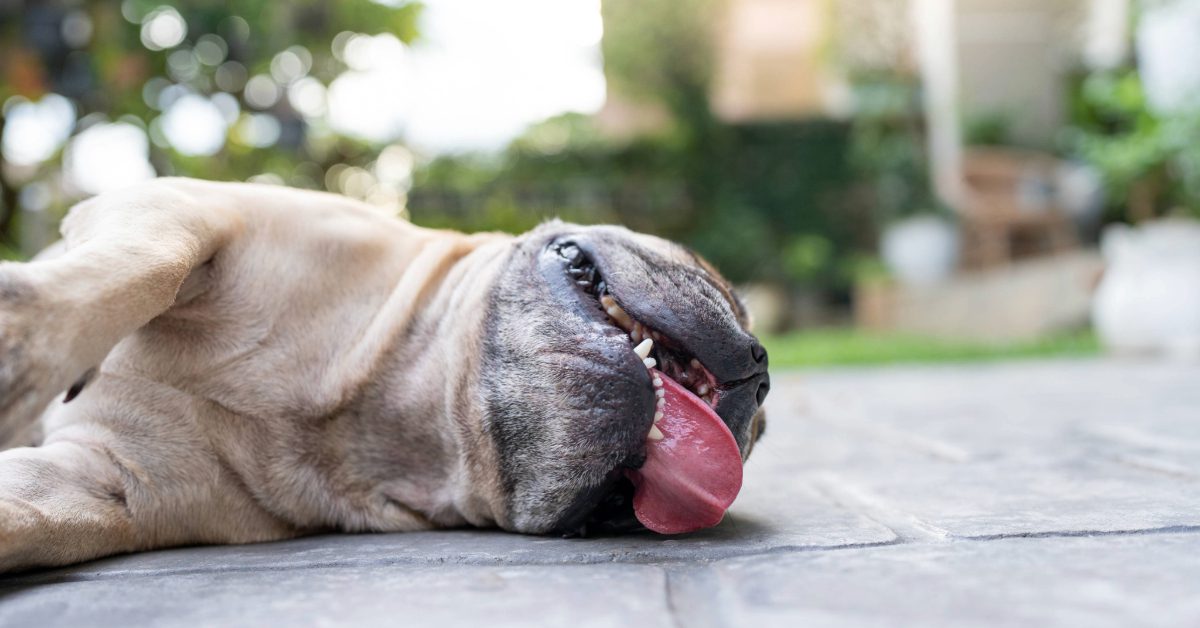
Heat stroke in dogs develops when a dog’s internal temperature climbs above a safe range and the body cannot regulate heat effectively. A dog’s normal temperature typically falls between 101°F and 102.5°F, but during heat stroke, temperatures may rise above 104°F and continue climbing. At these levels, cells and tissues begin to break down, and organs such as the brain, kidneys, and liver can experience serious stress. This condition can happen outdoors in hot weather, but it can also occur indoors in poorly ventilated spaces or vehicles. High humidity makes panting less effective, which increases the risk even when temperatures do not seem extreme. Heat stroke in dogs is a medical emergency that requires prompt veterinary evaluation to prevent long-term complications.
Why Dogs Overheat Faster Than People
Dogs cool themselves primarily through panting, which moves air across moist surfaces in the mouth and lungs to release heat. Thick coats, short noses, excess body weight, and underlying health conditions can limit this natural cooling process. When airflow and evaporation cannot keep pace with heat buildup, body temperature rises rapidly. Excitement, stress, and exercise add to internal heat production, compounding the problem. Even a short time in a warm environment can overwhelm a dog’s ability to cool down. This is why heat stroke in dogs can develop suddenly and without much warning.
Common Signs of Canine Heat Stroke
Recognizing early symptoms gives pet owners a better chance to respond before the condition worsens. Dogs often show subtle changes first, which can quickly progress to more severe signs. Panting that seems louder, faster, or more intense than usual may be the earliest clue. As overheating continues, dogs may appear restless or anxious and have difficulty settling down. Their gums may turn bright red, and they might drool excessively. Weakness, stumbling, vomiting, or diarrhea can follow as body systems struggle to cope.
Watch for these warning signs of heat stroke in dogs:
- Heavy, rapid panting that does not slow down with rest
- Bright red or pale gums and tongue
- Excessive drooling or thick saliva
- Lethargy, confusion, or disorientation
- Vomiting, diarrhea, or collapse
If symptoms progress, seizures, loss of consciousness, or shock can occur. Heat stroke in dogs can affect clotting, blood pressure, and organ function, which is why immediate veterinary care is so important. Early intervention may reduce the risk of long-term damage. Even if a dog seems to improve after cooling down, internal effects may still develop later. Professional evaluation helps identify complications that are not visible from the outside.
Breeds Most at Risk for Heat Stroke
Some dogs face a higher risk of heat stroke because of their physical traits or medical history. Brachycephalic breeds, such as Bulldogs and Pugs, have shorter airways that make panting less efficient. Thick-coated breeds, including Huskies and Malamutes, retain more body heat in warm weather. Senior dogs and puppies also struggle more with temperature regulation. Dogs with heart disease, respiratory conditions, or obesity may overheat faster and recover more slowly.
Additional risk factors include:
- High humidity combined with warm temperatures
- Intense exercise during midday heat
- Limited access to shade or fresh water
- Confinement in cars or enclosed spaces
- Anxiety or overexcitement during play
Knowing whether your dog falls into a higher-risk group helps guide safer activity choices. Even healthy dogs can develop heat stroke in dogs if conditions are right, but those in at-risk categories need closer monitoring. Adjusting exercise times and environments can reduce exposure to dangerous heat. Prevention starts with awareness of individual risk.
What to Do if You Suspect Heat Stroke
If you suspect heat stroke in dogs, act quickly but stay calm. Move your dog to a cooler area with shade or air conditioning as soon as possible. Offer small amounts of cool, not cold, water if your dog is alert and able to drink. Rinse your dog with cool water, but avoid wrapping them in wet towels, as the fabric can trap heat. Avoid using ice or very cold water, as rapid temperature changes may create additional stress. Contact an emergency veterinary clinic right away for guidance while you begin cooling efforts.
Safe Cooling Steps Before Reaching a Vet
Taking immediate steps at home can help, but they do not replace professional care. Use a fan to increase airflow and promote evaporation. Keep your dog lying down to prevent injury if weakness develops. Monitor breathing and responsiveness during transport to the clinic. Stop active cooling once your dog’s temperature begins to approach normal if you have been advised to monitor it. Heat stroke in dogs often requires further evaluation even if symptoms seem to improve.
How Veterinarians Treat Heat-Related Emergencies
Veterinary teams treat heat stroke in dogs with a focus on stabilizing body temperature and supporting affected organs. Controlled cooling methods help reduce temperature safely without causing additional shock. Intravenous fluids support circulation, blood pressure, and hydration. Monitoring includes blood tests to evaluate organ function, clotting ability, and electrolyte balance. Oxygen therapy may assist dogs experiencing breathing difficulties. In more severe cases, medications and intensive monitoring help manage complications such as swelling, bleeding disorders, or kidney stress.
At Northway Animal Emergency Clinic, our emergency team works quickly to assess each patient and tailor treatment based on their condition. Some dogs require hospitalization for continued observation and supportive care. Early intervention improves the chances of recovery and reduces the risk of lasting organ damage. Even after discharge, follow-up visits may be recommended to track recovery. Acting quickly when you notice signs of heat stroke in dogs can make a meaningful difference in outcomes.
Prevention Tips for Hot Weather Safety
Preventing heat stroke in dogs starts with simple daily habits. Plan walks during early morning or evening when temperatures are lower. Provide constant access to fresh water and shaded rest areas outdoors. Never leave a dog in a parked car, even for a short time. Limit intense play during hot or humid conditions. Watch closely for changes in breathing or behavior during outdoor activity.
These preventive steps help reduce risk:
- Choose cooler times of day for exercise
- Use cooling mats or shaded rest spaces
- Keep grooming up to date to manage coat thickness
- Take frequent breaks during outdoor activity
- Monitor closely during travel or events
Heat stroke in dogs can happen quickly, but many cases are preventable with awareness and planning. Understanding your dog’s limits helps you make safer decisions in warm weather. Small adjustments can have a big impact on comfort and safety. Prevention remains one of the most effective ways to protect pets from heat-related emergencies.
Stay Cool When Temperatures Rise
Heat stroke in dogs is a serious condition that develops quickly and requires immediate attention. Recognizing early signs, understanding risk factors, and taking preventive steps can lower the chances of an emergency. If you notice symptoms of overheating or feel unsure about your dog’s condition, seek professional care right away. Fast action can protect your dog’s health and improve recovery chances. For urgent concerns, call (518) 761-2602 to reach the emergency team at Northway Animal Emergency Clinic.