
Cat Peeing Outside the Litter Box? Medical & Behavioral Causes
Cat Peeing Outside the Litter Box? Medical & Behavioral Causes
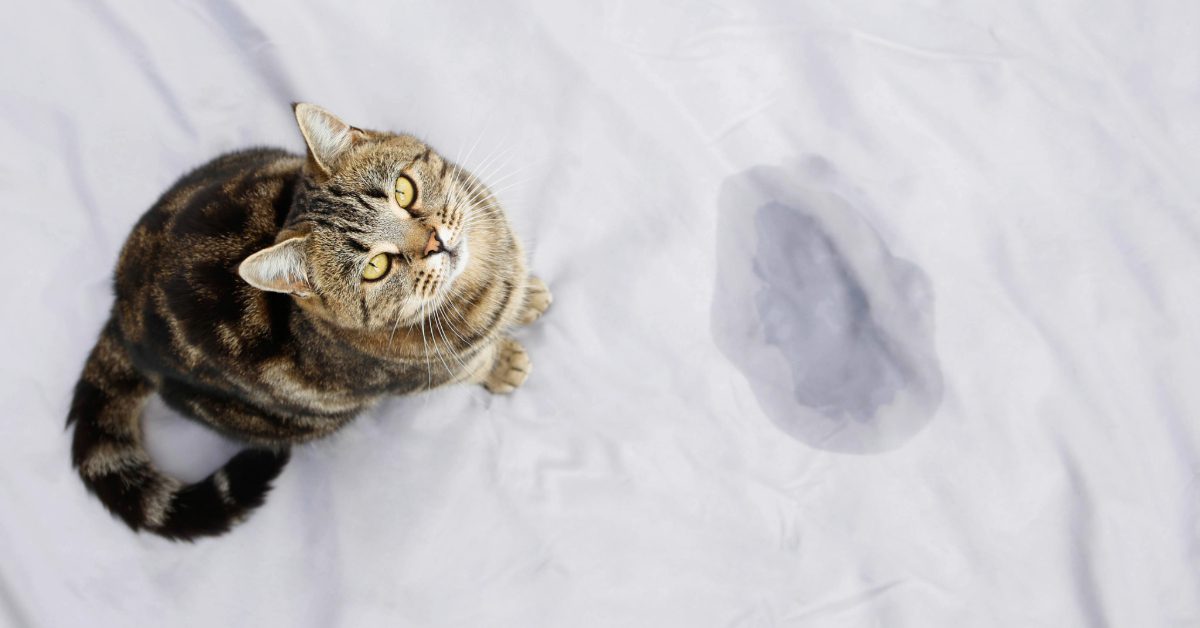
As you go to make your bed, you spot your cat scratching at the blankets. Upon closer examination, you notice a damp splotch that your cat seemed to be trying to cover up. Is that urine? This scenario is commonly experienced by cat owners, as many cats pee outside the litter box, which can signal that something deeper is going on. This change usually points to a medical issue, emotional stress, or an environmental problem that your cat cannot communicate any other way. Cats rely on routine and comfort, so when they begin urinating in unusual places, they are sending a message about discomfort, pain, or anxiety. Understanding why a cat starts peeing outside the litter box helps you respond quickly and protects both your pet’s health and your home.
Why Cats Pee Outside the Litter Box
When a cat pees outside the litter box, we first look at the situation from the cat’s point of view. Cats choose litter boxes because they feel safe, clean, and predictable. If something changes that sense of safety or comfort, a cat may avoid the box and look for a new place that feels more secure. This behavior does not come from stubbornness or revenge. Instead, it often reflects a physical sensation, stress response, or an issue with the litter box setup itself. Recognizing that inappropriate urination in cats is a form of communication shifts the focus from frustration to problem-solving. Once you view litter box avoidance as a signal rather than a behavior problem, you can start identifying the true cause.
Medical Causes Behind Inappropriate Urination
Medical problems remain one of the most common reasons for a cat peeing outside the litter box. Pain, urgency, or irritation in the urinary tract can cause a cat to associate the litter box with discomfort. When that association forms, the cat may seek a different surface, hoping to avoid the pain. These issues can escalate quickly, especially in male cats, where urinary blockage becomes a medical emergency. Because of this risk, we always treat changes in urination habits as important health signals.
Common medical causes include:
- Urinary tract infections (UTIs) that create burning, frequent urges to urinate
- Feline lower urinary tract disease (FLUTD), which involves inflammation and bladder discomfort
- Bladder stones or crystals that irritate the urinary lining
- Kidney disease that increases urine production
- Diabetes, which leads to increased thirst and urination
Signs Your Cat’s Litter Box Problem May Be Medical
You might notice additional symptoms along with your cat peeing outside the litter box. Cats often show subtle signs, so small changes matter. A cat with a urinary issue may strain in the box, vocalize while urinating, or visit the box repeatedly without producing much urine. Some cats lick their genital area more than usual or seem restless and uncomfortable. Blood-tinged urine or strong-smelling urine also raises concern. If your cat stops producing urine altogether, especially a male cat, this situation requires immediate emergency care because a blockage can become life-threatening.
Behavioral Triggers to Watch For
Not every case of inappropriate urination in cats links to a medical problem. Behavioral and environmental factors can also lead to a cat peeing outside the litter box. Cats rely on routine, territory, and a sense of control. When those elements shift, stress may appear in the form of urine marking or litter box avoidance. Even positive changes, such as new furniture or guests, can feel overwhelming to a sensitive cat. Understanding your cat’s daily environment helps uncover these triggers. Behavioral causes often involve:
- Stress from moving, remodeling, or rearranging rooms
- Conflict between cats in multi-cat households
- A new pet, baby, or visitor in the home
- Changes in litter type, box style, or box location
- Negative experiences in or near the litter box, such as loud noises
Litter Box Setup Problems
Sometimes the issue lies in the box itself rather than the cat’s health or emotions. Cats prefer clean, accessible boxes with unscented litter and enough space to move comfortably. Covered boxes may trap odors or feel cramped. Placing a litter box near appliances or in high-traffic areas can also make a cat uneasy. A general rule we discuss with pet owners is providing one litter box per cat, plus one extra, placed in separate, quiet locations. If a cat associates the box with fear, pain, or discomfort, avoidance becomes more likely.
When to Seek Veterinary Help
If you notice your cat peeing outside the litter box, do not wait to see if the behavior resolves on its own. Early evaluation helps rule out serious medical conditions and prevents complications. Cats hide pain well, so urinary issues can progress before obvious symptoms appear. A veterinary exam allows us to check for infection, crystals, inflammation, or other underlying causes. This step also reduces guesswork and prevents frustration for both you and your cat.
Contact a veterinary team right away if you see:
- Straining with little or no urine output
- Frequent trips to the litter box with small amounts of urine
- Crying or signs of pain while urinating
- Blood in the urine
- Lethargy, vomiting, or refusal to eat
If your cat shows these signs, reach out to Northway Animal Emergency Clinic at (518) 761-2602. Prompt care can make a significant difference, especially in emergencies involving urinary blockages.
Tips to Prevent Future Litter Box Issues
Preventing a cat from peeing outside the litter box involves creating a stable, low-stress environment and keeping litter areas appealing. Consistency matters, so gradual changes work better than sudden shifts in routine. Observing your cat’s habits helps you notice small changes early, before they turn into larger problems. While home strategies cannot replace veterinary care, they can support your cat’s comfort.
Helpful prevention steps include:
- Scoop litter boxes daily and wash them regularly with mild soap
- Use unscented litter and avoid sudden brand changes
- Provide multiple boxes in quiet, low-traffic areas
- Reduce stress by offering hiding spots and vertical spaces
- Clean soiled areas thoroughly to remove odor cues that draw repeat marking
Supporting Your Cat During Stressful Changes
During moves, travel, or household changes, keep feeding, play, and litter routines consistent. Gradual introductions to new pets or spaces can reduce anxiety. Pheromone diffusers designed for cats may help create a calming environment. Giving your cat predictable spaces where they feel secure supports healthy habits. When you address stress early, you lower the chance of litter box avoidance becoming a pattern.
Restoring Harmony Between Your Cat and the Litter Box
A cat peeing outside the litter box signals that something in their body or environment needs attention. By looking at medical and behavioral causes together, you gain a clearer path forward. Quick action protects your cat’s health and reduces the risk of long-term habits forming. Our role as veterinary professionals involves identifying the source of the problem and guiding you toward solutions that keep your cat comfortable. If you notice changes in your cat’s urination habits, call Northway Animal Emergency Clinic at (518) 761-2602 so we can help you address the issue promptly. Early care leads to better outcomes and a return to normal routines for both you and your cat.