What to Include in an Emergency Kit for Your Pet
What to Include in an Emergency Kit for Your Pet
A late-night storm rolls in, the power flickers, and your dog starts pacing while your cat disappears under the bed. In moments like this, you realize preparation brings peace of mind. An emergency kit for your pet is a collection of essential supplies and information that helps you respond quickly during unexpected events such as injuries, illness, severe weather, or evacuations. We encourage pet owners to think ahead because emergencies rarely happen at convenient times. When you organize a pet emergency kit in advance, you reduce stress and gain valuable time to focus on your pet’s safety. Our team at Northway Animal Emergency Clinic often sees how preparation makes a real difference during urgent situations. If your pet faces an emergency, call (518) 761-2602 right away so we can guide you on the next steps.
Why Every Pet Owner Needs an Emergency Kit
Emergencies affect pets just as quickly as people, and animals depend on you to make fast, informed decisions. You may face sudden injuries, gastrointestinal upset, allergic reactions, or environmental dangers without warning. Having an emergency kit for your pet allows you to act promptly instead of scrambling to gather supplies. Quick access to important items can help stabilize a situation until you reach veterinary care. This preparation also reduces panic, which helps pets stay calmer because they often sense your emotions. When you already know where your supplies are, you focus on transportation and communication rather than searching drawers or cabinets. We want pet owners to feel confident, informed, and ready to respond to unexpected events.
Pet emergency preparedness also extends beyond medical concerns. Natural disasters, home repairs, travel delays, and power outages can all disrupt your pet’s routine. Access to food, water, identification, and comfort items keeps pets safer and more secure. An emergency kit supports both physical and emotional needs during stressful situations. We encourage families to store their pet supplies in one clearly labeled container that is easy to grab. Keep it in an accessible location rather than buried in a closet. Preparation today can make a difficult day more manageable.
Essential Items to Include in a Pet Emergency Kit
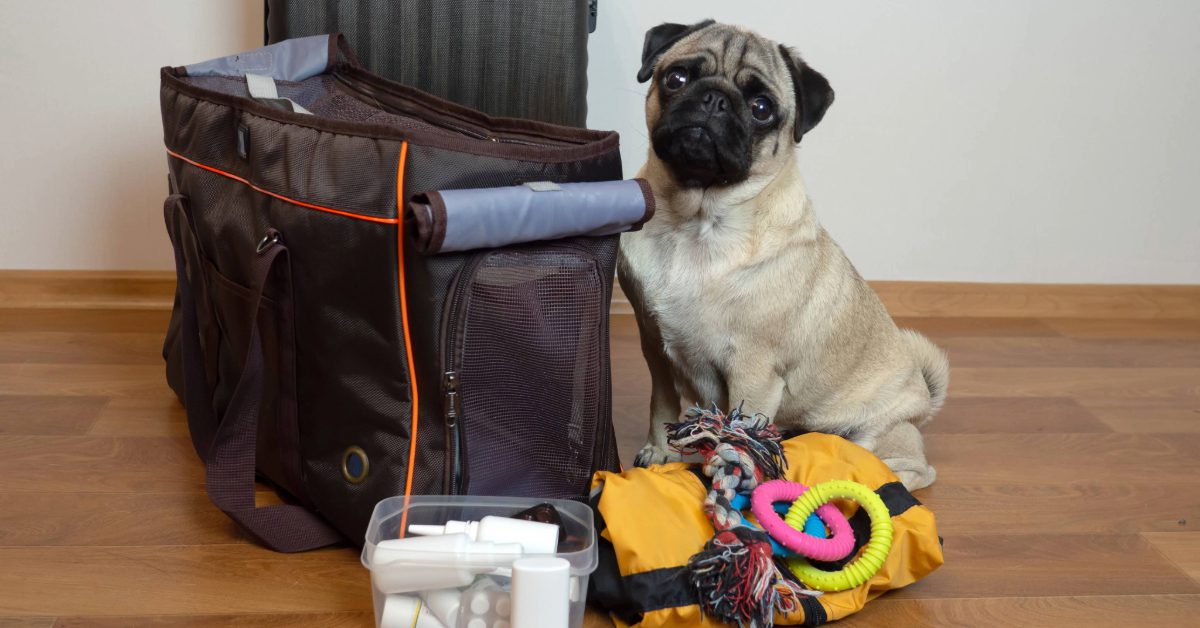
Building a well-stocked emergency kit for your pet starts with basic survival needs and essential care items. These supplies help you manage short-term challenges and maintain your pet’s comfort until you reach professional care. Organize items in waterproof containers or sealable bags to protect them from moisture. Label everything clearly so any family member can locate supplies quickly. Keep a printed checklist inside the kit so you can review and replace items as needed. Thoughtful organization improves response time during high-stress moments.
Core supply essentials:
- Bottled water and collapsible bowls
- A three-day supply of your pet’s regular food
- Extra leash, harness, or carrier
- Waste bags or litter and a small scoop
- Blanket or towel for warmth and comfort
- Flashlight with extra batteries
These items support hydration, nutrition, hygiene, and safe handling. They also help maintain routines that reduce anxiety in unfamiliar settings. Familiar bedding or a favorite toy can comfort pets during evacuation or overnight care. Secure storage keeps everything ready when you need it most.
Identification and Important Records
Identification plays a major role in reuniting pets with their families. Include printed copies of vaccination records, medical history, and current medications. Store your veterinarian’s contact information and the number for Northway Animal Emergency Clinic, (518) 761-2602, in both printed and digital form. Add recent photos of your pet that clearly show markings or unique features. Microchip information and registration details should also be easy to access. These records speed communication and support accurate care if someone else temporarily looks after your pet.
First Aid Basics for Dogs and Cats
A pet emergency kit often includes basic first aid supplies that help you respond to minor issues while seeking veterinary guidance. We recommend keeping items that support safe, temporary care rather than advanced treatments. Proper supplies help you manage bleeding, protect wounds, and handle your pet safely during transport. Clear labeling prevents confusion during urgent moments. Keep instructions or quick-reference notes in the kit to remind you how items are used. Preparation reduces hesitation when time matters.
Useful first aid items to pack:
- Sterile gauze pads and bandage material
- Adhesive tape designed for medical use
- Digital thermometer labeled for pet use
- Saline solution for gentle rinsing
- Blunt-ended scissors
- Disposable gloves
These supplies allow you to cover a wound, control minor bleeding, or keep an area clean before veterinary evaluation. Always handle injured pets carefully because pain can change behavior. Towels or blankets can help gently restrain pets during transport. Avoid improvising with household chemicals or human medications. When in doubt, contact our emergency team for guidance.
Safe Handling During Emergencies
Handling matters just as much as supplies. Injured or frightened pets may react differently, even with familiar people. Use a leash, carrier, or towel wrap to prevent sudden movements. Speak calmly and move slowly to avoid increasing stress. Keep other animals and children at a safe distance. These steps protect both you and your pet during urgent situations.
Preparing for Natural Disasters with Pets
Weather-related emergencies create unique challenges for pet owners. Flooding, wildfires, severe storms, and winter weather can force rapid evacuations. Your emergency kit for your pet should support mobility and temporary housing needs. Transportation supplies such as carriers and sturdy leashes become especially important. Food and water access may be limited during outages or road closures. Having everything ready to go helps you leave quickly and safely.
Plan evacuation routes and identify pet-friendly accommodations in advance. Keep a list of local shelters, boarding facilities, and emergency veterinary services. Update identification tags so they remain easy to read. Consider storing digital copies of records on your phone as a backup. Preparation ensures your pet’s needs remain part of your family’s emergency plan rather than an afterthought.
Keeping Your Emergency Kit Updated Year-Round
An emergency kit only works when supplies stay current and accessible. Review your kit at least twice a year to replace expired items and rotate food and water. Check that leashes, carriers, and containers remain in good condition. Update medical records and medication lists whenever changes occur. Replace batteries and test flashlights to ensure they function. Seasonal reviews keep your kit ready when you need it most.
Pets’ needs change over time, and your kit should reflect those changes. Puppies, senior pets, and animals with chronic conditions may require different supplies. Weight changes can affect harness fit, and dietary adjustments may alter food storage. Regular reviews help your kit stay aligned with your pet’s current needs. Staying organized gives you confidence during uncertain moments.
Ready When It Matters Most
Preparation creates calm in the middle of chaos. When you build a thoughtful emergency kit for your pet, you equip yourself to respond quickly and responsibly. Organized supplies, clear records, and a simple plan help protect your pet’s safety during unexpected events. We encourage you to assemble your kit now rather than waiting for an emergency to happen. Keep it accessible, review it often, and share its location with family members. If your pet experiences an urgent medical issue, call Northway Animal Emergency Clinic at (518) 761-2602 right away so our team can help guide you through the situation.